
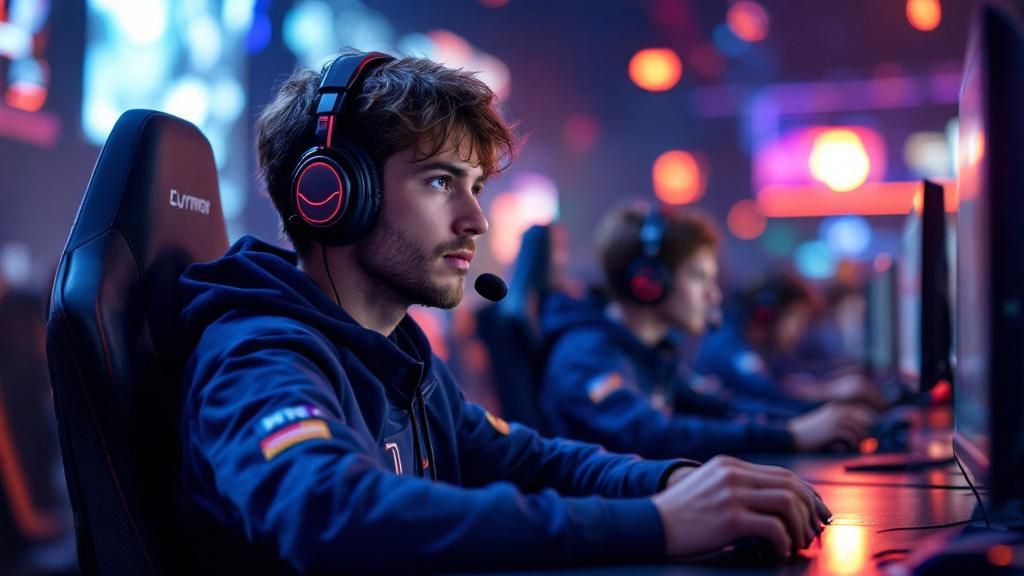
The esports industry has taken a significant step forward in emphasising competitor wellbeing. Leading esports bodies have jointly unveiled a detailed player protection standards framework, confronting persistent issues about psychological wellbeing, employment standards, and equitable treatment within professional gaming. This landmark initiative represents a pivotal moment for esports legitimacy, creating minimum standards that could fundamentally alter how the industry operates. We examine the framework’s central components, the entities leading this transformation, and what it means for competitors and the esports ecosystem going forward.
Sector-Wide Dedication to Player Health
The joint initiative between leading esports organisations marks a significant milestone for player protection within professional esports. This cohesive approach demonstrates the sector’s real dedication to creating lasting protocols that place athlete welfare first alongside performance quality. By combining knowledge and capabilities, these organisations have developed detailed frameworks addressing physical condition, psychological wellbeing, and workplace protection. The scheme shows growing recognition that competitor health substantially impacts performance quality and professional lifespan, making it crucial for the industry’s standing and expansion.
Tournament operators have confirmed that earlier guidelines were disjointed and variable, exposing competitors to abuse and fatigue. The revised structure establishes consistent standards across major competitions, ensuring every professional competitor receives equitable treatment and access to essential support services. This unified strategy eliminates competitive disadvantages arising from varying welfare provisions and sets fair competition standards. Industry leaders emphasise that these standards constitute baseline expectations, prompting entities to exceed baseline expectations and foster genuinely supportive environments where competitors can excel both professionally and personally.
Essential Elements of the Welfare Provision
The newly formed welfare framework comprises multiple linked pillars created to safeguard player welfare completely. These elements address psychological wellbeing support, physical wellbeing, fair working conditions, and clear dispute handling processes. By combining these components, tournament administrators strive to establish an integrated system that treats esports athletes as competitive professionals warranting robust protections. The framework sets essential standards that all associated competitions must implement, guaranteeing standardised player protections across the professional gaming environment.
Psychological Health Support Services
Acknowledging the psychological pressures present within esports at a professional level, the framework stipulates access to mental health professionals for all competing players. Tournament operators are required to provide confidential therapy services, via direct provision or partnerships with experienced mental health organisations. These services encompass managing stress, anxiety management support, and emergency intervention services. Players have access to experienced psychologists who understand esports-specific challenges, including online harassment, severe competitive pressure, and career instability.
The framework also stipulates tournaments to establish mental health awareness programmes and anti-stigma campaigns across the community. Organisers are required to train players, coaches, and staff about recognising mental health concerns and accessing proper help. Ongoing assessments and health surveillance programmes assist in detect struggling players at an early stage, allowing preventative measures before situations escalate into critical psychological situations.
Physical Health Requirements
Tournament operators must implement comprehensive physical health standards covering ergonomics, recovery intervals, and clinical supervision. The framework requires proper seating, monitor positioning, and breaks to reduce RSI common among esports professionals. Clinical personnel must be on-site at large-scale competitions to handle acute health issues, whilst organisers are required to give advice about harm prevention and proper healthcare support for ongoing player improvement.
Environmental conditions at tournament venues are now governed by strict standards maintaining player comfort and safety. Regulations cover temperature control, lighting standards, and noise levels to create optimal performance conditions. Additionally, the framework supports players to complete routine medical evaluations and provides guidance on diet, sleep hygiene, and exercise routines essential for sustained professional performance in esports.
- Ergonomic equipment evaluations performed by qualified specialists
- Required breaks during competitions preventing player exhaustion
- On-site medical staff present during all tournament proceedings
- Injury prevention education and recovery programme access
- Health monitoring programmes tracking athlete health throughout seasons
Implementation Timeline and Standards
The framework will be deployed in three distinct phases, beginning immediately with preliminary assessments across involved stakeholders. Tournament operators have agreed to completing baseline audits of their present procedures by the conclusion of Q1, pinpointing differences between existing protocols and the revised guidelines. This initial stage ensures a comprehensive assessment of each organisation’s baseline position before implementing substantive changes. Subsequent phases will encompass staff training, policy updates, and the creation of external compliance frameworks to secure conformity and responsibility throughout the esports industry.
The standards themselves include mandatory provisions addressing mental health support, practical training timetables, and clear prize allocation procedures. Each organisation is required to appoint a specialist player welfare representative accountable for managing grievances and ensuring adherence to guidelines. Routine inspections, conducted by third-party bodies, will assess conformity and identify areas requiring improvement. These thorough safeguards establish measurable benchmarks for player protection, with compliance procedures including monetary sanctions and prospective event bans for organisations not meeting required standards.
Sector Response and Future Perspective
The declaration has received widespread support from stakeholders across the professional esports landscape. Professional player groups have commended the framework as a necessary step towards elevating the professionalism of the industry, whilst franchise operators and sponsors acknowledge the opportunity for improved legitimacy and longevity. Equipment suppliers and streaming platforms have pledged to incorporate player welfare into their operations, reflecting a unified resolve to structural reform. Early indications suggest that governing authorities and government officials regard the standards with approval, possibly opening the door to formal legal recognition of esports as a established professional field.
Looking ahead, sector analysts anticipate that this framework will function as a blueprint for global adoption, with regional tournaments and grassroots events set to adopt similar guidelines. The programme is expected to encourage continued dialogue regarding player compensation, career development pathways, and mental health resources. As esports undergoes meteoric growth, these player protections constitute a crucial safeguard ensuring that competitive gaming remains viable, inclusive, and considerate for all participants, in turn strengthening the industry’s standing as a genuine professional discipline.
